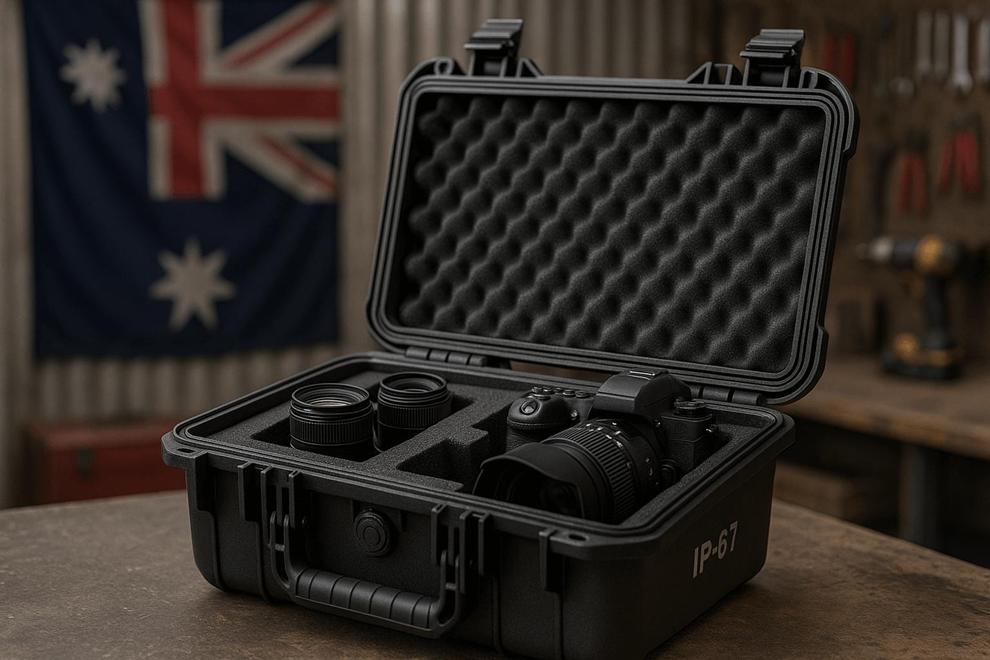
The transportation of valuable or delicate items demands an exceptional level of care. Whether moving high-end electronic equipment, fragile instruments, or sensitive components, ensuring their safe arrival is paramount. Custom foam inserts are a pivotal solution, offering tailored protection that caters to the specific dimensions and vulnerabilities of each item. As a result, they have become increasingly essential across various industries, ensuring that contents remain secure and undamaged during transit.
The Importance of Custom Foam Inserts
Custom foam inserts are designed to meet the unique requirements of the items they protect. Unlike generic packing solutions, these inserts offer several advantages:
- Tailored Fit: Perfectly shaped to cradle each item, reducing movement and minimizing the risk of damage.
- Enhanced Protection: Provides superior shock absorption, safeguarding against impacts and vibrations.
- Material Versatility: Available in various foam types, including polyurethane and polyethylene, to match specific protection needs.
- Cost Efficiency: Reducing the risk of damage translates to fewer replacements and repairs, ultimately saving money.
Industries Benefiting from Custom Foam Inserts
Many sectors have embraced custom foam inserts to enhance their logistics and transportation processes. Some notable industries include:
Electronics
Delicate electronic devices, such as computers, cameras, and other high-tech equipment, require robust protection during transit. Custom foam inserts provide a snug fit, crucial for preventing costly damages. Discover expert strategies here to ensure the safety of your electronic assets.
Aerospace
The aerospace sector, which often deals with sensitive and expensive components, relies on custom foam solutions to prevent damage during transportation. Foam inserts are essential for protecting items from shocks and vibrations inherent in air travel.
Healthcare
Medical devices and instruments are often fragile and expensive. Custom foam inserts ensure these items are transported safely, maintaining their integrity and functionality. Learn about our tailored solutions to safeguard healthcare equipment.
Designing Custom Foam Inserts
Creating custom foam inserts involves several critical steps to ensure optimal protection:
- Assessment of Item Specifications: Understanding the dimensions, weight, and fragility of each item.
- Material Selection: Choosing the appropriate foam material based on the level of protection required and environmental conditions.
- Precision Cutting: Utilizing advanced cutting techniques to achieve a perfect fit. Explore advanced guides and tips on precision foam cutting.
- Prototype Testing: Conducting tests to verify the effectiveness of the design before mass production.
Choosing the Right Foam Material
The selection of foam material is a crucial factor in the design of custom inserts. Common materials include:
- Polyurethane Foam: Known for its excellent cushioning properties, ideal for delicate and lightweight items.
- Polyethylene Foam: Offers robust protection against impact, suitable for heavier objects.
- Cross-linked Polyethylene: Provides a higher degree of protection with a finer cell structure.
Each material has its own set of properties and advantages. Find out more about this approach to selecting the right material for your needs.
Conclusion
Custom foam inserts are an integral component in the safe transportation of valuable and delicate items. Their ability to provide a tailored fit and superior protection significantly reduces the risk of damage. Industries ranging from electronics to healthcare rely on these solutions to ensure the integrity of their products during transit. By carefully selecting the appropriate foam material and design, businesses can enhance their logistics processes and protect their investments effectively. For those seeking to implement or improve their protective packaging solutions, understanding the benefits and applications of custom foam inserts is crucial.