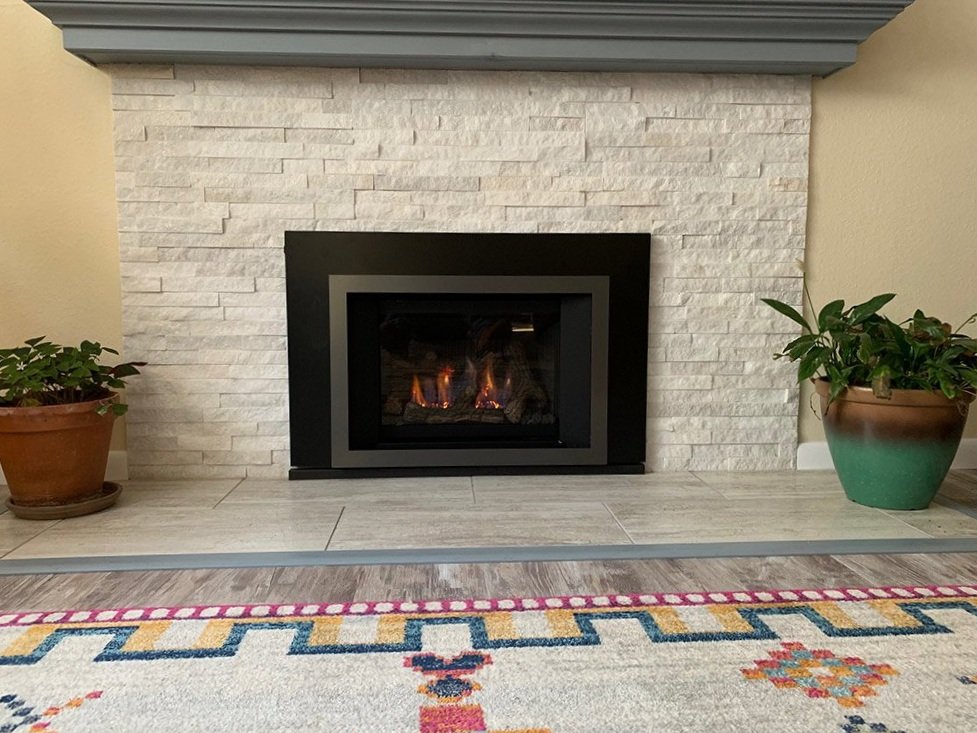
Gas fireplaces have become a popular choice for homeowners seeking both warmth and aesthetic appeal. Offering the convenience of modern technology and the timeless allure of a traditional fire, these systems require professional installation to ensure safety and efficiency. The process of installing a gas fireplace involves not just technical expertise but also a keen understanding of design and functionality. Through careful planning and execution, an optimal blend of comfort and style can be achieved. Discover expert strategies here.
The Importance of Professional Installation
Proper installation of a gas fireplace is critical for several reasons. It ensures safety, maximizes efficiency, and enhances the overall aesthetics of the home environment. The following points emphasize why professional installation is indispensable:
- Safety Assurance: Only certified professionals can guarantee that the installation complies with local building codes and standards, minimizing risks such as gas leaks or fire hazards.
- Efficiency Optimization: Proper installation allows for optimal airflow and combustion, ensuring that the fireplace functions efficiently and provides maximum heat output.
- Aesthetic Integration: A professional installation ensures that the fireplace complements the home”?s interior design, adding to the property”?s value and appeal.
Choosing the Right Fireplace
Selecting the appropriate gas fireplace for a specific space involves understanding various types and styles available in the market. Learn about tailored solutions here.
Types of Gas Fireplaces
- Direct Vent Fireplaces: These are highly efficient and require no chimney, venting directly through the wall or roof.
- Vent-Free Fireplaces: Offering flexibility in installation, these units do not require a vent but must adhere to strict safety standards.
- B-Vent Fireplaces: These use a chimney for venting and are often chosen for their traditional look and feel.
Styles and Designs
- Contemporary Styles: Sleek, modern designs with clean lines and advanced features.
- Traditional Styles: Classic and timeless, often featuring ornate mantels and hearths.
- Custom Designs: Tailored to suit specific aesthetic preferences and architectural requirements.
Installation Process and Considerations
The installation of a gas fireplace involves several stages, each requiring careful attention to detail. Find out more about this approach here.
Pre-Installation Assessment
- Evaluate the space to determine the most suitable type and size of the fireplace.
- Inspect existing gas lines and electrical systems to ensure compatibility.
- Consider ventilation requirements and potential modifications to the existing structure.
Installation Steps
- Secure necessary permits and adhere to local building codes.
- Install gas lines and venting systems, ensuring all connections are secure and leak-free.
- Position and secure the fireplace unit, making necessary adjustments for proper alignment.
- Conduct thorough testing to confirm functionality and safety.
Maintenance and Safety Tips
Regular maintenance is vital for the ongoing safety and efficiency of a gas fireplace. Explore advanced guides and tips here.
- Schedule annual inspections by certified professionals to catch and rectify any potential issues early.
- Regularly clean the glass, logs, and burners to prevent soot buildup and maintain visual appeal.
- Install carbon monoxide detectors and ensure proper functioning of all safety features.
In conclusion, the installation of a gas fireplace is more than just a home improvement project; it is an investment in comfort, safety, and style. By entrusting this task to skilled professionals, homeowners can enjoy the warmth and beauty of their fireplaces with peace of mind. For more information on optimizing your fireplace installation, explore expert solutions.