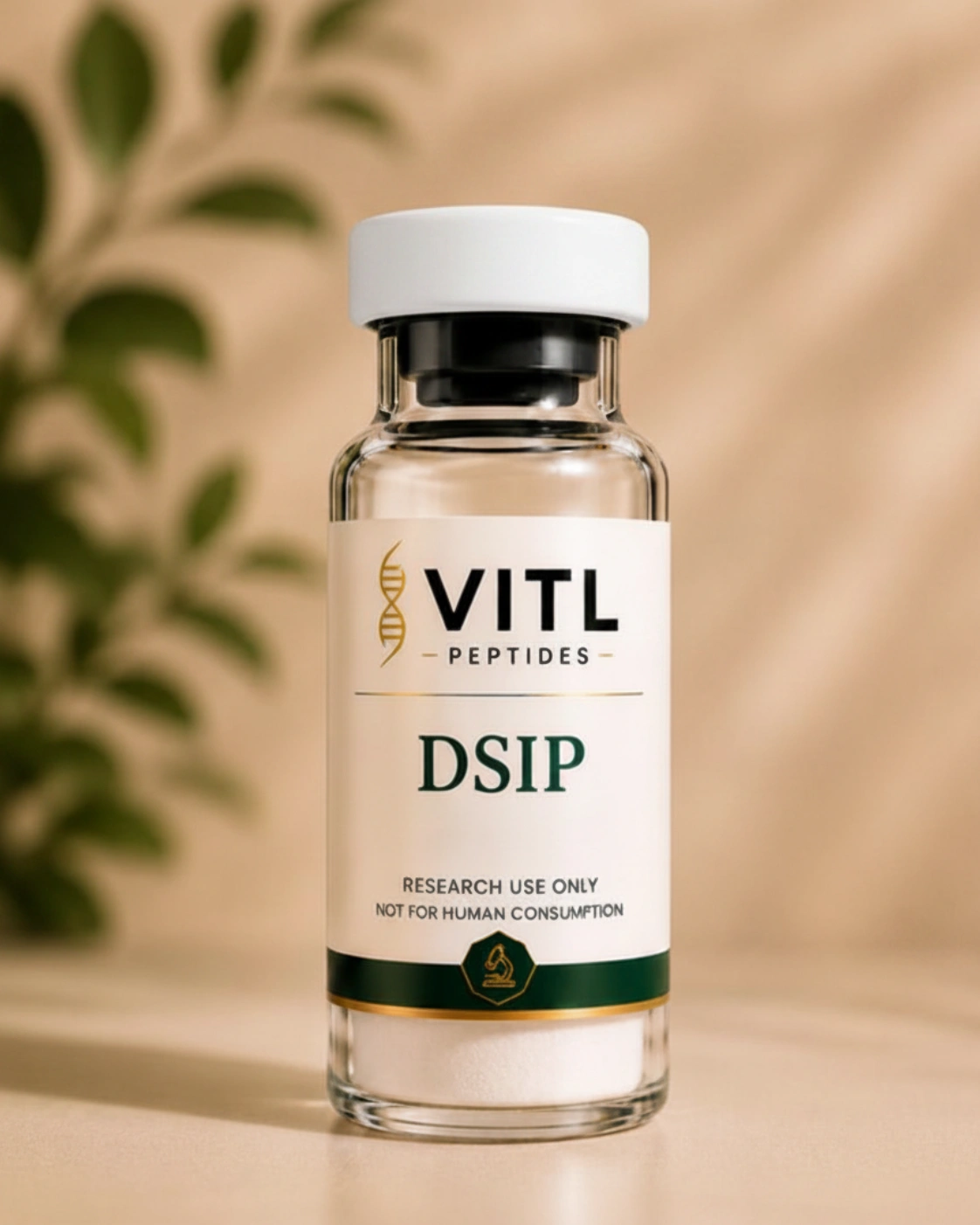
In the realm of scientific research, peptides have gained substantial attention due to their diverse biological functions and potential therapeutic applications. One such peptide that has been the focus of recent studies is the Delta Sleep-Inducing Peptide (DSIP). Known for its intriguing properties, the DSIP peptide is widely explored in laboratory settings for its potential benefits in sleep regulation, stress modulation, and more. This article delves into the various advantages of utilizing the DSIP peptide in laboratory research, highlighting its potential implications and applications.
Understanding DSIP: A Brief Overview
Delta Sleep-Inducing Peptide is a naturally occurring peptide that was first discovered in the 1970s. It is a nonapeptide, meaning it consists of nine amino acids, and has been primarily associated with sleep regulation. However, its influence extends beyond just inducing sleep, making it a subject of interest in various research domains.
Key Attributes of DSIP
- Regulation of Sleep Patterns: DSIP is primarily known for its ability to influence sleep cycles, potentially aiding in the management of sleep disorders.
- Stress Modulation: Research suggests that DSIP may play a role in reducing stress and anxiety levels.
- Neuroprotective Effects: Some studies indicate that DSIP might offer neuroprotective benefits, making it a candidate for neurodegenerative research.
- Potential Analgesic Properties: There is evidence to suggest that DSIP could have pain-relieving effects, which warrants further investigation.
Benefits of DSIP in Laboratory Research
The exploration of DSIP research peptide in laboratory settings has unveiled several promising benefits, particularly in the fields of neuroscience and psychopharmacology.
Enhancement of Sleep Studies
DSIP’s role in sleep regulation makes it an invaluable tool in sleep research. By incorporating DSIP into experimental protocols, researchers can:
- Investigate mechanisms underlying sleep disorders.
- Develop new therapeutic strategies for insomnia and other sleep-related conditions.
- Study the interplay between sleep and mental health conditions.
Stress and Anxiety Research
The potential stress-modulating effects of DSIP offer significant advantages for experiments focusing on stress and anxiety disorders. Researchers can utilize DSIP laboratory research to:
- Explore new treatments for anxiety and stress-related disorders.
- Understand the biochemical pathways linked to stress modulation.
- Evaluate the efficacy of DSIP in combination with other therapeutic agents.
Exploration of Neuroprotective Effects
With increasing interest in neurodegenerative diseases, DSIP presents a promising avenue for research due to its potential neuroprotective properties. Laboratories focusing on neuroprotection may find value in the ability to buy DSIP peptide for experimental purposes.
- Potential to mitigate the effects of neurodegenerative diseases such as Alzheimer’s and Parkinson’s.
- Facilitation of studies on brain function and neuroplasticity.
- Evaluation of long-term effects of DSIP on brain health.
Accessing Quality DSIP for Research
Ensuring the quality and purity of peptides is crucial for reliable experimental outcomes. For researchers seeking to incorporate DSIP into their studies, finding a reputable DSIP supplier is essential. High-quality DSIP peptide can be procured from trusted sources, ensuring consistency and reliability in research findings.
Key Considerations for Researchers
- Purity and Quality: Opt for suppliers that provide certificates of analysis to verify peptide purity.
- Reputation: Choose suppliers recognized for stringent quality control measures.
- Support and Documentation: Access to comprehensive product information and research support can enhance experimental design.
In conclusion, the DSIP peptide for sale offers a myriad of possibilities for laboratory research, particularly in fields related to sleep, stress, and neuroprotection. As research continues to uncover the multifaceted roles of DSIP, its potential applications in therapeutic development and scientific exploration become increasingly apparent.