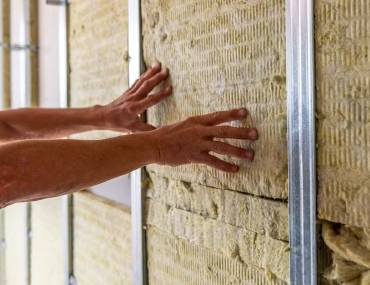
Attics are often overlooked when it comes to home energy efficiency. However, upgrading attic insulation can dramatically reduce energy costs and improve the comfort of your home. Insulating your attic not only decreases heat loss in the winter but also minimizes heat gain during the summer months. With the right insulation, you can create a more sustainable living environment while also reducing your carbon footprint. This article explores the benefits of energy-efficient attic insulation, types of insulation available, installation techniques, and maintenance tips to maximize your energy savings.
Benefits of Energy Efficient Attic Insulation
Investing in energy-efficient insulation for your attic comes with multiple benefits that extend beyond just reducing utility bills.
- Enhanced Comfort: Consistent indoor temperatures throughout the year.
- Reduced Energy Costs: Lower heating and cooling expenses.
- Environmental Impact: Reduced energy consumption leads to a smaller carbon footprint.
- Increased Home Value: Energy-efficient upgrades can increase the resale value of your home.
For more details on the advantages of attic insulation, read more about this topic.
Types of Insulation Materials
Choosing the right insulation material is crucial for achieving optimal energy efficiency. Here are some common types of attic insulation materials:
Fiberglass Insulation
Fiberglass is a popular choice due to its affordability and effectiveness. It”?s available in batts or loose-fill forms. Fiberglass is non-combustible and provides excellent thermal resistance.
Spray Foam Insulation
Spray foam offers superior sealing properties and is ideal for filling gaps and cracks. It expands on application, providing a tight seal that enhances thermal resistance and air barrier performance.
Cellulose Insulation
Made from recycled materials, cellulose is an eco-friendly option. Its dense structure effectively reduces airflow and provides good thermal performance.
Explore further insights here to determine which insulation type may best suit your attic’s needs.
Installation Techniques
Proper installation is key to maximizing the effectiveness of attic insulation. Here are some techniques to consider:
- Seal Air Leaks: Before installing insulation, ensure all gaps and cracks are sealed to prevent air leakage.
- Ensure Adequate Ventilation: Proper ventilation prevents moisture buildup, which can compromise insulation performance.
- Install in Layers: Consider adding multiple layers of insulation for enhanced thermal resistance.
- Professional Installation: For optimal results, consider hiring a professional installer who can ensure proper application.
Find additional information here regarding best practices for insulation installation.
Maintenance Tips
Regular maintenance of your attic insulation ensures its longevity and performance. Here are some tips to keep your insulation in top condition:
- Inspect Regularly: Check for signs of damage or moisture regularly.
- Replenish Insulation as Needed: Over time, insulation may settle or become less effective. Add more insulation if necessary.
- Monitor for Pests: Keep an eye out for pests that may compromise the integrity of your insulation.
- Ensure Proper Ventilation: Maintain attic ventilation to prevent moisture buildup.
Learn more in this detailed guide on maintaining your attic insulation effectively.