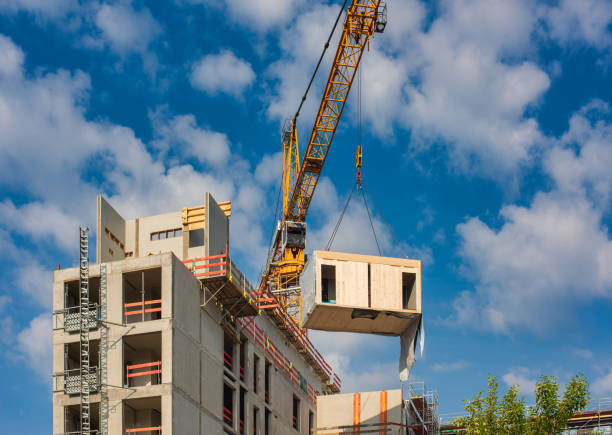
In the fast-paced world of construction, efficiency and innovation are key to staying ahead. Modular house construction is revolutionizing the industry by offering a streamlined and efficient approach to building. By breaking down the construction process into factory-made modules, this method not only reduces build time but also enhances quality control and reduces waste. As the demand for sustainable and cost-effective housing solutions increases, understanding the benefits and implementation of modular construction becomes essential for developers and builders alike.
Understanding Modular House Construction
Modular construction involves creating buildings in sections or modules in a controlled factory setting before transporting them to the construction site for assembly. This approach offers numerous advantages:
- Speed: By constructing modules in a factory, projects can be completed 30-50% faster than traditional methods.
- Quality Control: Factory settings allow for rigorous quality checks, ensuring high standards.
- Sustainability: With reduced waste and opportunities for recycling, modular construction is environmentally friendly.
- Cost Efficiency: Streamlined processes and reduced labor costs contribute to significant savings.
Implementing Modular Construction in Your Projects
Planning and Design
Successful implementation begins with meticulous planning and design. Engaging with architects and engineers experienced in modular house construction ensures that the project is designed for modular assembly. This involves:
- Designing for transportability and ease of assembly.
- Ensuring compliance with local building codes and standards.
- Considering future scalability and customization options.
Choosing the Right Materials
Material selection is crucial in modular construction, as it impacts durability, insulation, and overall sustainability. Common materials include:
- Steel: Provides structural integrity and is ideal for high-rise modular buildings.
- Wood: Offers a natural aesthetic and is often used in residential projects.
- Concrete: Suitable for modules requiring high thermal mass and robustness.
Overcoming Common Challenges
While modular construction offers many benefits, it also presents certain challenges that need to be addressed:
- Transportation Logistics: Proper planning is needed to transport modules safely and efficiently.
- Site Preparation: Ensuring the site is ready for module assembly is crucial to prevent delays.
- Coordination with Local Authorities: Obtaining necessary permits and approvals can be complex but is essential for compliance.
The Future of Modular Construction
As the construction industry continues to evolve, modular methods are expected to play an increasingly significant role. Innovations in materials, technology, and design are paving the way for even more efficient and sustainable building practices. By embracing modular construction, developers and builders can meet the growing demand for quick, cost-effective, and environmentally conscious building solutions.
For those looking to explore the potential of modular construction, engaging with experts and experienced providers is a crucial step. Accessing services in modular house construction can provide valuable insights and support throughout the project lifecycle, ensuring successful implementation and optimized results.