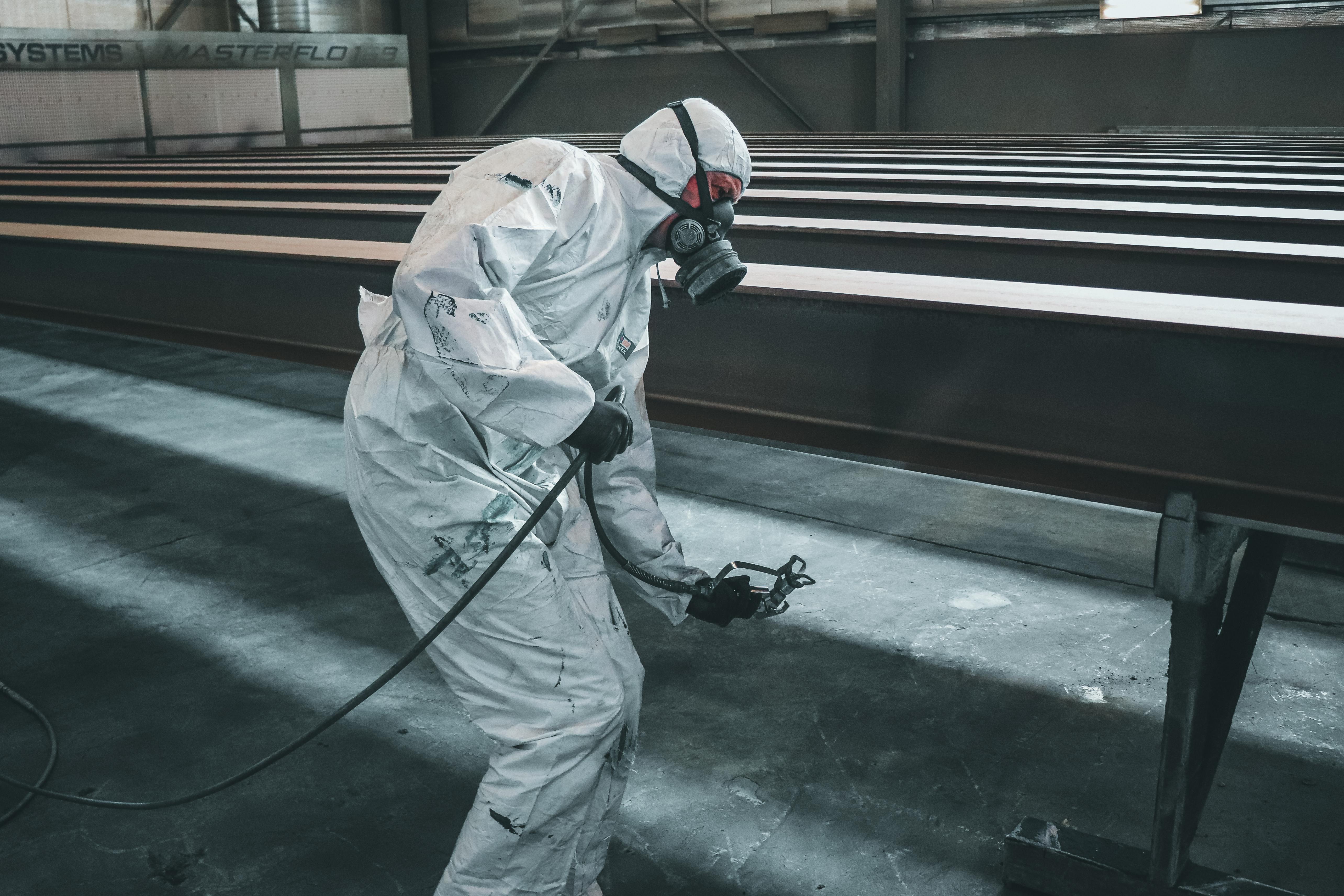
In the modern construction landscape, the longevity and durability of buildings are paramount. A key component to achieving this is the use of professional sealant solutions, which play a crucial role in protecting structures from environmental damage and wear. These solutions are designed to provide a barrier against moisture, UV rays, and other harsh conditions, thus enhancing the lifespan and performance of buildings. Understanding the different types of sealants and their applications can significantly contribute to effective building protection.
Understanding Sealant Types and Their Applications
Sealants are versatile materials used in construction for various purposes, including filling gaps, waterproofing, and insulating. The choice of sealant depends on the specific requirements of a project, such as the type of material to be sealed and the environmental conditions it will face.
Common Types of Sealants
- Silicone Sealants: Known for their flexibility and resistance to extreme temperatures, these are ideal for glass and metal bonding.
- Acrylic Sealants: Often used for interior applications, they are paintable and provide a robust finish.
- Polyurethane Sealants: These are excellent for outdoor use due to their strong adhesion and resistance to abrasion.
- Butyl Rubber Sealants: Primarily used for roofing and automotive applications, they offer excellent waterproofing capabilities.
Benefits of Professional Sealant Solutions
Employing high-quality sealant solutions offers numerous benefits that enhance the structural integrity and aesthetic appeal of buildings. Here are some key advantages:
- Enhanced Durability: Effective sealants prevent moisture infiltration, reducing the risk of structural damage and corrosion.
- Energy Efficiency: By sealing gaps and cracks, they contribute to reducing energy loss, thus improving insulation.
- Cost-Effectiveness: Investing in quality sealants reduces maintenance costs and prolongs the life of the building.
Applications in Building Protection
Sealants have a wide range of applications in protecting buildings. They are essential in areas such as:
- Facade Sealing: Prevents water ingress and air leakage in building exteriors.
- Joint Sealing: Ensures the integrity of joints in structures like bridges and roads.
- Roofing: Provides a waterproof barrier that protects against leaks and weather damage.
For those in need of reliable industrial sealant supplier options, it’s crucial to consider partners that offer a comprehensive range of products.
Choosing the Right Sealant for Your Needs
When selecting a sealant, consider the following factors to ensure optimal performance:
- Material Compatibility: Ensure the sealant is suitable for the materials it will bond with.
- Environmental Conditions: Consider factors such as temperature fluctuations and exposure to chemicals or UV light.
- Application Method: Understand whether the sealant requires specific tools or techniques for application.
Those seeking comprehensive professional sealant solutions can explore various options that cater to diverse construction needs.
Conclusion
Incorporating high-quality sealants into construction practices is a strategic move towards ensuring longevity and resilience in buildings. By understanding the types and benefits of sealants, stakeholders can make informed decisions that align with their specific project requirements. For those in regions like Saskatoon, exploring specialized surface protection coatings Saskatoon can offer added layers of protection against local environmental challenges.
Choosing the right building protection products not only safeguards the structural integrity but also enhances the overall value and efficiency of buildings.