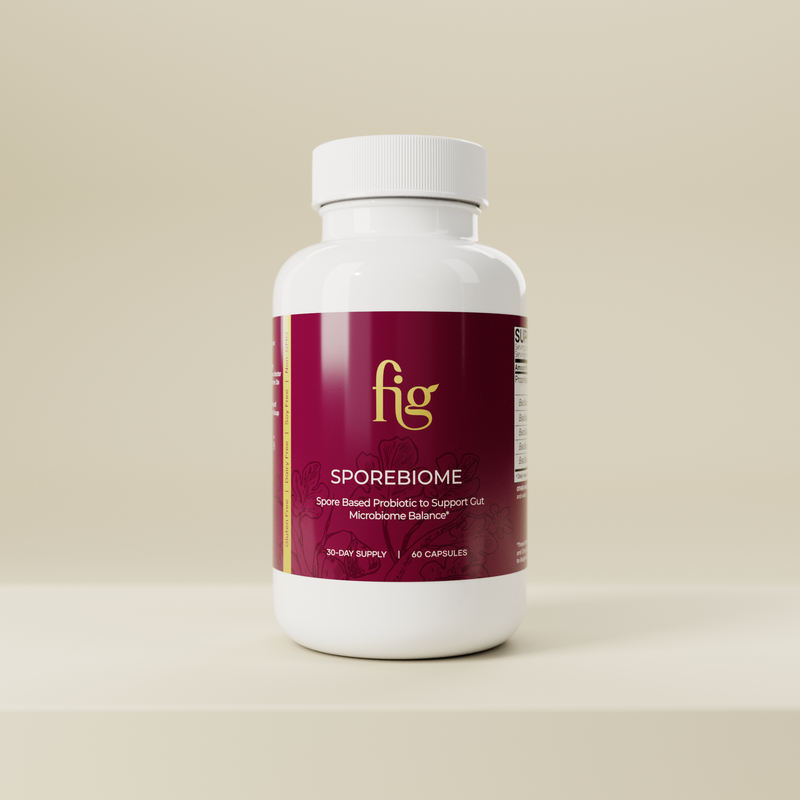
Understanding the intricacies of the female microbiome is a vital aspect of achieving optimal wellness. The microbiome, a complex ecosystem of microorganisms residing primarily in the gut and vaginal area, plays a crucial role in maintaining various aspects of women’s health. From digestion and immunity to mood regulation and reproductive health, the microbiome is at the heart of essential bodily functions. As scientific research continues to unveil the complexities of the microbiome, women are increasingly seeking ways to support and enhance their microbiome health through targeted, natural approaches.
What is the Microbiome?
The microbiome is a collection of trillions of microorganisms, including bacteria, viruses, fungi, and other microbes, that inhabit various parts of the human body. In women, the vaginal microbiome is particularly significant due to its role in:
- Protecting against infections and pathogens.
- Maintaining a balanced pH level.
- Supporting reproductive health and fertility.
- Influencing hormonal balance and mood.
The Importance of a Balanced Microbiome
A harmonious microbiome is crucial for women’s health and wellness. When the balance of microorganisms is disrupted, it can lead to a variety of health issues, including:
- Increased susceptibility to infections, such as bacterial vaginosis and yeast infections.
- Digestive issues, including bloating and irritable bowel syndrome (IBS).
- Mood disorders, influenced by the gut-brain axis.
- Hormonal imbalances affecting menstrual cycles and fertility.
Supporting the microbiome through diet, lifestyle, and targeted supplements can help maintain a healthy balance, contributing to overall wellness. For more information on how to support vaginal health, explore the benefits of HER Microbiome.
Factors Affecting the Microbiome
Several factors can influence the composition and balance of the female microbiome. Understanding these factors can help women make informed decisions about their health:
Diet
A diet high in fiber, fermented foods, and prebiotics can promote a healthy microbiome. Conversely, excessive sugar and processed foods can disrupt microbial balance.
Antibiotic Use
While antibiotics are essential for treating infections, they can also harm beneficial bacteria, leading to an imbalanced microbiome. It’s important to use antibiotics only when necessary and consider probiotic supplementation to restore balance.
Lifestyle and Environment
Stress, lack of sleep, and exposure to toxins can negatively impact the microbiome. Adopting a healthy lifestyle with regular exercise and stress management techniques can support microbial health.
Advancements in Microbiome Research
Ongoing research into the microbiome is unveiling new insights into how these microorganisms affect women’s health. Key areas of focus include:
- The connection between the vaginal microbiome and conditions such as endometriosis and polycystic ovary syndrome (PCOS).
- The impact of the microbiome on mental health and the potential for probiotics to alleviate symptoms of anxiety and depression.
- Developing personalized microbiome therapies for targeted health improvements.
As the understanding of the microbiome deepens, products and strategies are emerging to help women optimize their microbiome health. Interested readers can explore resources like HER Microbiome to learn more about supporting vaginal health naturally.