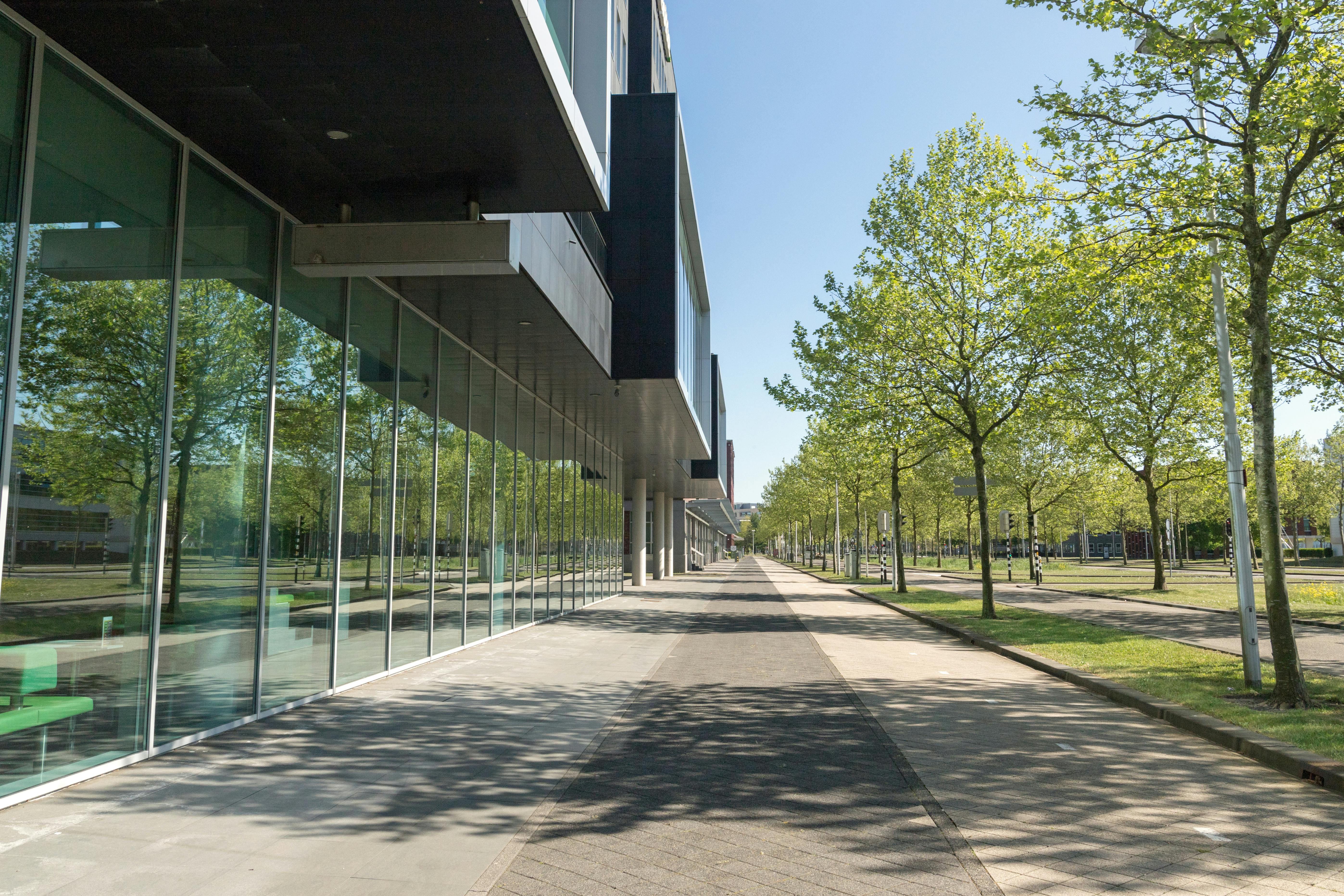
Sustainability is no longer a buzzword but a critical component of modern construction practices. As builders and designers navigate the future, the emphasis on sustainable design has never been more paramount. The construction industry plays a significant role in environmental impact, making it crucial for builders to integrate sustainable practices into their projects. This not only supports environmental stewardship but also meets the growing demand from consumers for eco-friendly solutions. This guide delves into the principles and practices of sustainable design, offering insights and strategies that builders can adopt to create environmentally responsible structures.
Understanding Sustainable Design
Sustainable design in construction is about creating buildings that minimize environmental impact. This involves a holistic approach that considers the entire lifecycle of a building, from material selection to energy consumption and waste management. Builders can significantly reduce a building’s carbon footprint by focusing on sustainable practices.
Key Principles of Sustainable Design
- Energy Efficiency: Implementing systems that reduce energy use such as solar panels and energy-efficient HVAC systems.
- Material Selection: Choosing materials that are sustainable, recycled, or have a low environmental impact.
- Water Conservation: Utilizing systems that reduce water consumption and promote water recycling.
- Indoor Environmental Quality: Enhancing air quality and natural lighting to improve the health and comfort of occupants.
For builders seeking to deepen their understanding and application of these principles, discover expert strategies here.
Implementing Sustainable Practices
The integration of sustainable practices in construction projects requires careful planning and execution. Here are some strategies to guide builders in this transformative process:
Design and Planning
- Site Selection: Opt for sites that minimize environmental impact and consider the local ecosystem.
- Building Orientation: Maximize natural light and ventilation by strategically positioning the building.
- Modular Construction: Utilize modular components to reduce waste and shorten construction time.
Builders can find out more about this approach and how it can be tailored to specific project needs.
Construction Techniques
- Waste Management: Implement waste reduction and recycling protocols on the construction site.
- Energy Management: Use energy-efficient construction techniques and tools.
- Water Management: Install systems that manage stormwater and reduce water usage during construction.
To explore advanced guides and tips on sustainable construction techniques, learn about our tailored solutions.
The Future of Sustainable Building
As environmental regulations tighten and consumer expectations rise, the construction industry must evolve. Future trends in sustainable building include the increased use of smart technologies, the adoption of green certifications, and the development of carbon-neutral buildings. Builders who embrace these trends not only contribute to environmental conservation but also position themselves at the forefront of innovation.
For those interested in staying ahead of the curve, explore advanced guides and tips on sustainable building practices.
In conclusion, designing for sustainability is an essential aspect of modern construction. By incorporating sustainable practices, builders can reduce environmental impact, meet regulatory requirements, and satisfy consumer demand. The journey towards sustainability is ongoing, but with the right knowledge and tools, builders can create a lasting impact for future generations.