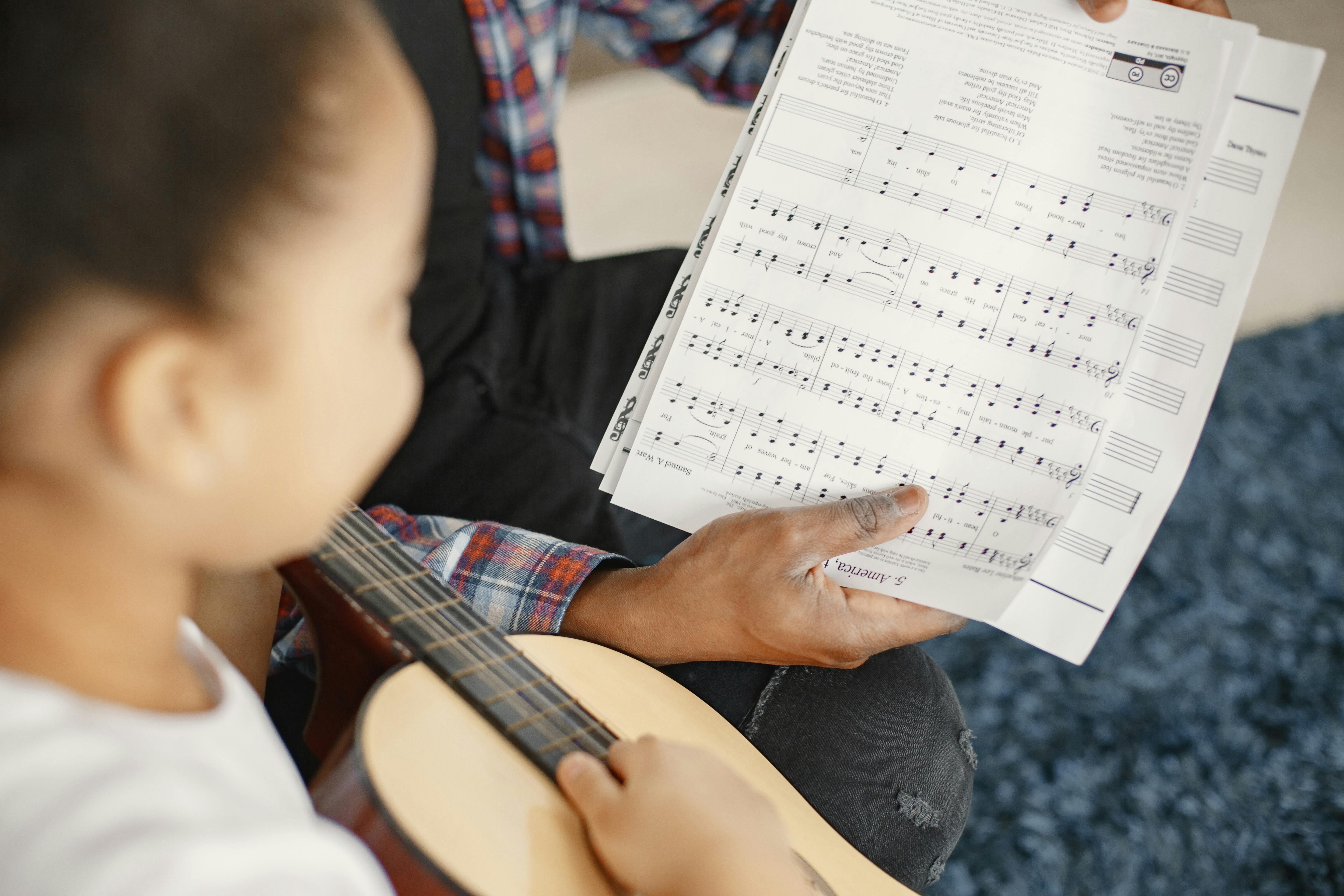
Music has long been recognized as a universal language that transcends cultural and linguistic barriers. For children, music classes offer more than just the ability to learn an instrument or sing. These classes provide a holistic approach to child development, nurturing various skills that extend beyond the realm of music. From enhancing cognitive abilities to improving social skills, the benefits of enrolling children in music classes are multifaceted and profound. As parents and educators explore avenues to foster growth in children, music classes stand out as a dynamic and enriching option.
Enhancing Cognitive Development
Research consistently supports the notion that music education bolsters cognitive development in children. Engaging with music stimulates areas of the brain responsible for memory, attention, and spatial-temporal skills. This cognitive enhancement translates into improved academic performance, particularly in mathematics and reading.
- Music instruction is linked to higher IQ levels in children.
- Learning musical notation and rhythms sharpens mathematical skills.
- Participating in music classes enhances memory retention and recall.
To explore advanced guides and tips on nurturing cognitive skills through music, visit this resource.
Fostering Emotional and Social Growth
Music classes offer a unique platform for children to express themselves and interact with peers in a collaborative setting. These interactions are crucial for emotional and social development.
- Music provides an outlet for emotional expression, helping children manage stress and emotions.
- Group music activities teach cooperation and teamwork.
- Public performances boost confidence and self-esteem.
Find out more about this approach to emotional and social growth through music by visiting this site.
Developing Physical Coordination
Playing musical instruments requires fine motor skills and coordination. As children learn to navigate their instruments, they develop improved hand-eye coordination and dexterity.
- Instrumental practice enhances motor skills and hand coordination.
- Rhythmic activities improve timing and balance.
- Regular practice builds endurance and precision.
To discover expert strategies for developing physical coordination through music, click here.
Nurturing Creativity and Imagination
Music classes are a breeding ground for creativity. Children are encouraged to explore different sounds, create their own compositions, and improvise, fostering a sense of innovation and imaginative thinking.
- Music encourages creative problem-solving and critical thinking.
- Improvisation in music stimulates the imagination.
- Composition tasks develop originality and inventiveness.
Learn about our tailored solutions for nurturing creativity in children by visiting this link.
Conclusion
The benefits of music classes for children are extensive and impactful, touching on cognitive, emotional, physical, and creative aspects of development. By participating in music education, children gain valuable skills that serve them well beyond the classroom. For those looking to enrich their child’s growth through music, the resources available at places such as Children’s Music Academy provide a comprehensive guide to unlocking the full potential of music education.