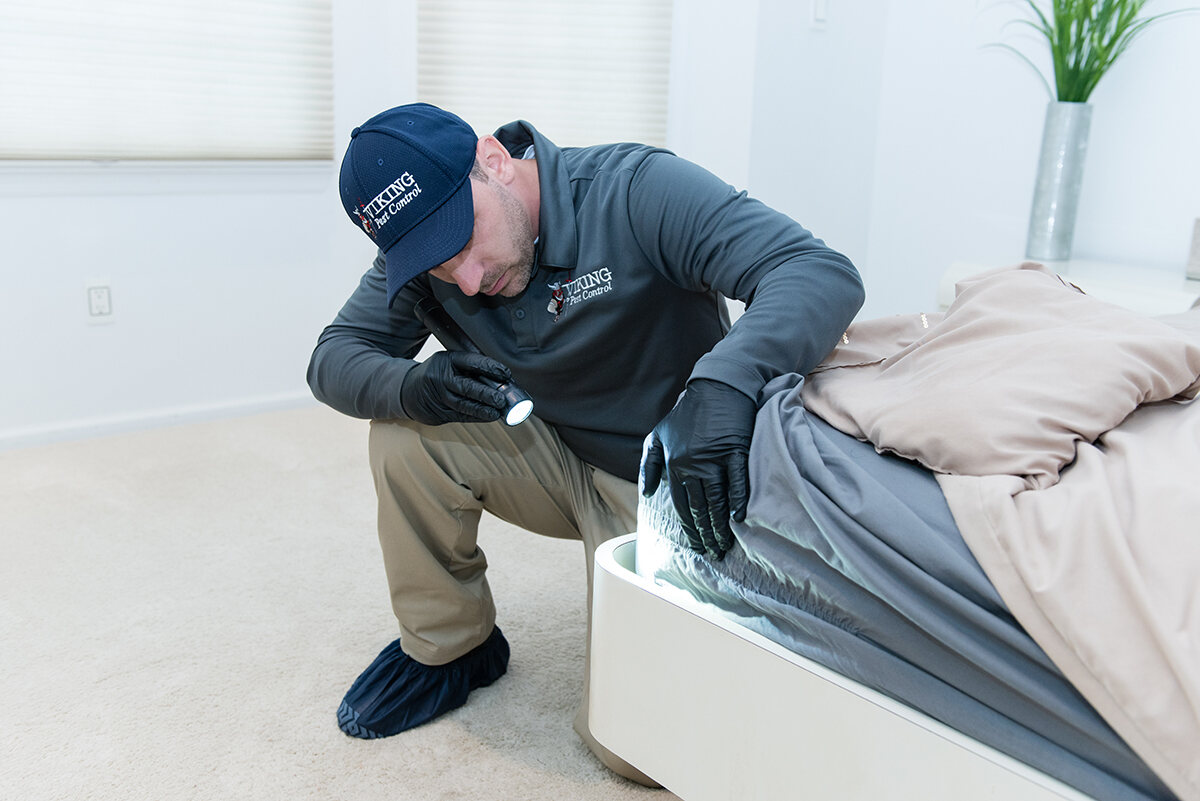
Bed bugs are a persistent and challenging pest problem affecting residential and commercial spaces alike. Their resilience and rapid reproduction make them difficult to eradicate without a strategic approach. Understanding effective bed bug treatment methods is crucial for addressing infestations promptly and ensuring long-lasting results. This article outlines various methods to combat bed bugs, emphasizing the importance of professional intervention and preventative measures.
Understanding Bed Bug Behavior
Before embarking on any bed bug treatment, it is essential to understand the behavior and lifecycle of these pests. Bed bugs are nocturnal insects that feed on the blood of humans and animals, often hiding in mattresses, bed frames, and other furniture during the day. Their small size and ability to hide in tiny crevices make them difficult to detect.
Professional Bed Bug Treatment Methods
Engaging professionals to handle bed bug infestations is often the most effective course of action. Here are some methods commonly employed by pest control experts:
Heat Treatment
- Professionals use specialized equipment to raise the temperature in an infested area to levels lethal to bed bugs.
- This method is effective for entire rooms or buildings and requires careful monitoring to ensure safety and efficacy.
Chemical Treatments
- Insecticides and pesticides are applied to affected areas to kill bed bugs on contact.
- Multiple treatments may be necessary to address all life stages of bed bugs, including eggs, nymphs, and adults.
- Professionals ensure the safe application of these chemicals, minimizing risk to humans and pets.
Do-It-Yourself Bed Bug Solutions
For those seeking to address minor infestations without professional help, several DIY methods can be effective. However, it is crucial to approach these methods with caution and awareness of their limitations.
Vacuuming
- Regular vacuuming of mattresses, carpets, and furniture can help reduce bed bug numbers.
- Ensure to dispose of vacuum bags immediately to prevent re-infestation.
Encasements
- Covering mattresses and box springs with encasements designed to trap bed bugs can prevent them from spreading.
- This method is often used in conjunction with other treatments for maximum effectiveness.
Preventative Measures
Implementing preventive measures is essential to keep bed bugs at bay once they have been eradicated. Consider the following strategies:
- Regularly inspect bedding and furniture for signs of bed bugs, such as small bloodstains, eggs, or live bugs.
- Reduce clutter in living spaces to minimize hiding spots for bed bugs.
- Use protective covers for mattresses and pillows to prevent infestations.
- Be cautious when traveling or purchasing second-hand furniture, as these are common sources of bed bug introductions.
Conclusion
Effectively addressing bed bug infestations requires a comprehensive understanding of their behavior and the available treatment methods. While professional bed bug treatment offers the most reliable results, combining professional and DIY measures can also be effective in certain scenarios. Consistent vigilance and preventive practices are essential to maintain a bed bug-free environment.