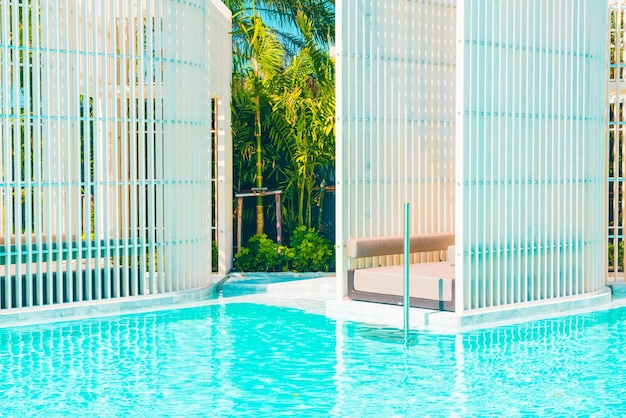
A swimming pool is a luxurious addition to any home, providing a serene escape and a place for recreation. However, over time, even the most well-maintained pool can show signs of aging. Cracks, discoloration, and a rough surface can detract from the beauty and safety of the pool. Pool resurfacing is a crucial service that can restore the aesthetics and functionality of your pool, ensuring it remains a treasured part of your property. This article explores the benefits and processes involved in pool resurfacing, along with tips to ensure you achieve the best results.
The Importance of Pool Resurfacing
Pool resurfacing is an essential maintenance task that enhances both the appearance and safety of your swimming pool. Over time, pool surfaces can become worn and damaged due to constant exposure to water, chemicals, and weather elements. Resurfacing helps to:
- Restore the visual appeal of the pool.
- Improve safety by smoothing out rough surfaces.
- Extend the lifespan of the pool structure.
- Increase property value by maintaining an attractive and functional pool.
For a detailed understanding of how resurfacing can benefit your pool, find out more about this approach.
Choosing the Right Resurfacing Material
Selecting the appropriate resurfacing material is crucial for achieving the desired look and durability. Some popular options include:
- Plaster: A traditional choice that offers a smooth finish and is cost-effective.
- Aggregates: Provide a textured finish and are available in a variety of colors.
- Tile: Known for its elegance and long-lasting properties, though it may be more expensive.
- Fiberglass: Offers a smooth, non-porous finish that is resistant to algae and stains.
To explore advanced guides and tips on choosing the right material, click here.
The Resurfacing Process
1. Draining and Cleaning
The first step in the resurfacing process involves draining the pool and thoroughly cleaning its surface to remove any debris, algae, or mineral deposits. This ensures a clean base for the new surface.
2. Surface Preparation
After cleaning, the pool surface is prepped, which may involve repairing cracks and smoothing out rough areas. Proper preparation is critical for ensuring the longevity of the new surface.
3. Application of New Surface
The chosen resurfacing material is then applied to the pool. This step requires precision and expertise to ensure even application and adherence to the existing structure.
4. Curing and Filling
Once the new surface is applied, it needs time to cure. After curing, the pool is refilled with water, and the chemical balance is restored to ensure a safe swimming environment.
For expert strategies on the resurfacing process, discover expert strategies here.
Maintaining a Resurfaced Pool
After resurfacing, regular maintenance is key to preserving the pool’s new look and functionality. Here are some tips:
- Regularly monitor and adjust chemical levels to prevent surface damage.
- Brush the pool walls to remove algae and prevent buildup.
- Conduct periodic inspections to catch any issues early.
To learn more about tailored solutions for pool upkeep, learn about our tailored solutions.
In conclusion, pool resurfacing is a valuable investment in the longevity and beauty of your swimming pool. By understanding the importance of resurfacing, selecting the right materials, and following a structured process, you can ensure your pool remains a stunning and safe feature of your property for years to come.