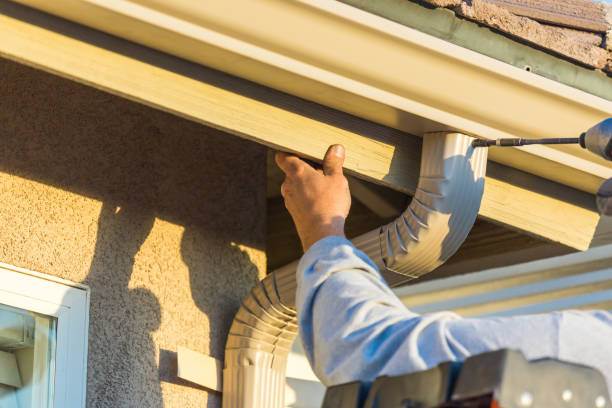
Seamless gutters are a practical and aesthetically pleasing solution for managing water runoff from roofs. Unlike traditional sectional gutters, seamless gutters are custom-cut to fit the dimensions of a building, minimizing the risk of leaks and enhancing durability. The installation process, while somewhat technical, can be accomplished with the right tools and knowledge. This article provides a comprehensive overview of seamless gutter installation, offering insights into the process, benefits, and considerations involved.
Benefits of Seamless Gutters
Seamless gutters offer several advantages over their sectional counterparts. Understanding these benefits can help in making an informed decision when considering gutter options.
- Reduced Leaks: With fewer joints and seams, seamless gutters significantly reduce the likelihood of leaks.
- Custom Fit: These gutters are cut to exact measurements of the property, ensuring a perfect fit.
- Enhanced Aesthetics: The streamlined appearance of seamless gutters can enhance the overall look of a home.
- Low Maintenance: Their design minimizes debris buildup, reducing maintenance efforts.
For a deeper understanding of the benefits, explore further insights here.
Installation Process Overview
Installing seamless gutters involves several key steps. While it is recommended to consult with a professional, understanding the process can be beneficial.
Preparation and Measurement
Before installation, precise measurements are crucial. This involves evaluating the length of the roofline and determining the appropriate size and slope for optimal water flow. Additional considerations include:
- Tools Needed: Measuring tape, ladder, chalk line, and level.
- Safety Precautions: Ensure ladder stability and use protective gear.
For detailed guidance on the preparation phase, read more about this topic.
Cutting and Forming
Once measurements are taken, the gutter material is cut and shaped using a specialized gutter machine. This machine forms the metal into the desired gutter shape.
- Material Options: Aluminum, copper, and steel are common choices.
- Machine Setup: Proper calibration is essential for accurate shaping.
To learn more about the cutting and forming stages, find additional information here.
Installation
The final step involves attaching the gutters to the fascia board using brackets or hangers. Downspouts are then installed to direct water away from the foundation.
- Attachment Techniques: Use screws or rivets for secure fastening.
- Downspout Placement: Strategically position to ensure efficient water drainage.
For more comprehensive instructions, learn more in this detailed guide.
Considerations for DIY Installers
While professional installation is recommended for seamless gutters, some may choose to undertake the project themselves. It’s essential to consider the following:
- Skill Level: Ensure familiarity with basic construction techniques.
- Time Commitment: Allocate sufficient time for careful installation.
- Potential Challenges: Be prepared for unexpected obstacles, such as miscalculations or tool malfunctions.
For a thorough understanding of potential challenges, explore further insights here.
Conclusion
Seamless gutter installation is a practical solution for effective water management and enhancing the aesthetic appeal of a property. With benefits such as reduced leaks and low maintenance, they are an attractive choice for many homeowners. Whether opting for professional installation or a DIY approach, understanding the process and considerations involved is essential for achieving the best results. For more information on seamless gutter systems, read more about this topic.