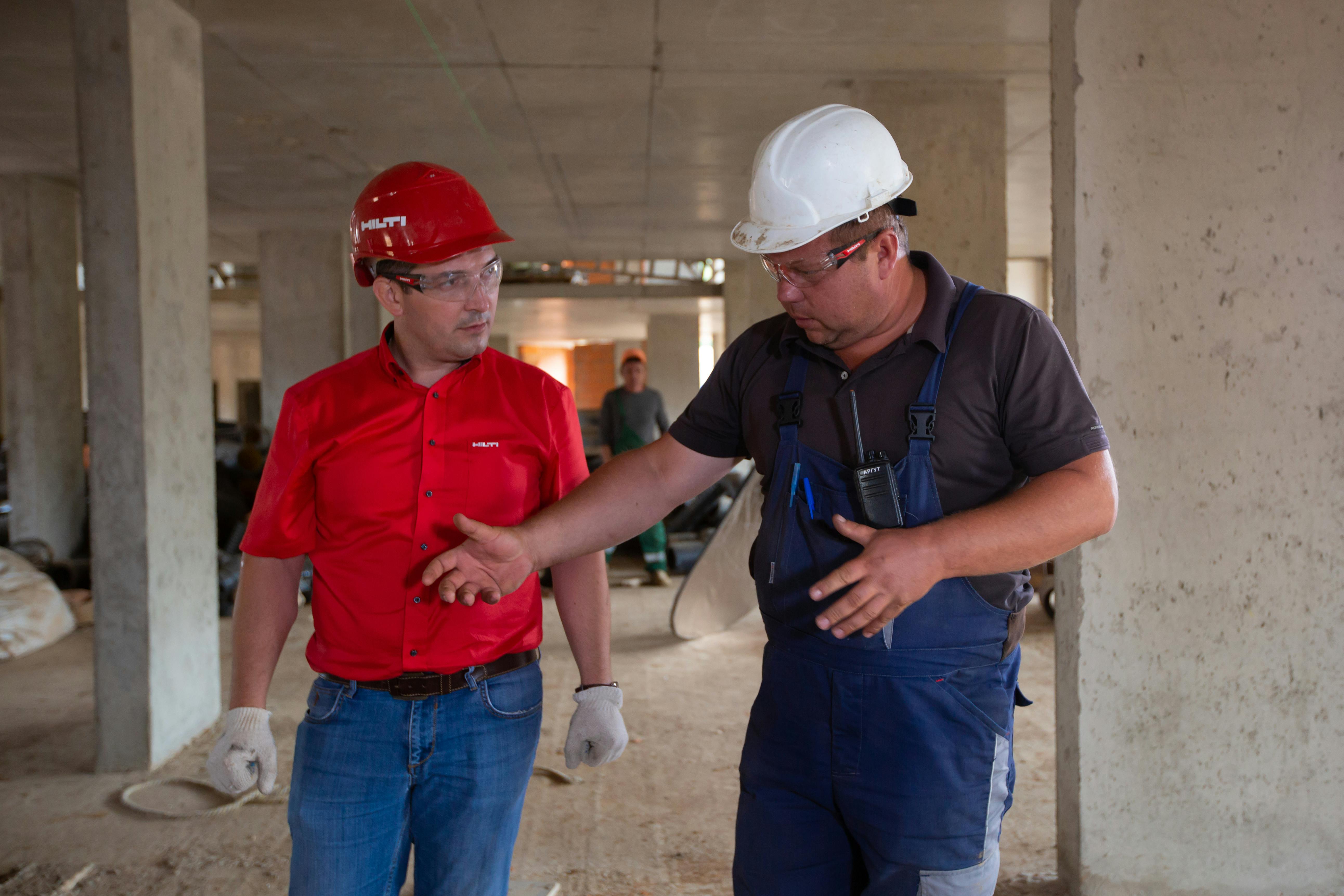
In the dynamic and often challenging landscape of construction, effective project management is crucial to ensure that projects are completed on time, within budget, and to the required standards. Streamlining the construction project management process can significantly enhance productivity, reduce costs, and mitigate risks, ultimately leading to more successful project outcomes. By adopting advanced strategies and leveraging modern technologies, construction managers can optimize their workflows and improve communication and coordination among team members.
Understanding the Importance of Efficient Construction Project Management
Construction projects involve numerous moving parts, including diverse teams, complex timelines, and various resources. Effective construction project management ensures these elements are coordinated efficiently, reducing delays and avoiding cost overruns. Key benefits of streamlined project management include:
- Improved resource allocation and utilization.
- Enhanced communication and collaboration among stakeholders.
- Reduced risks and uncertainties.
- Increased project transparency and accountability.
- Better quality control and safety management.
Key Strategies for Streamlining Construction Project Management
1. Implementing Robust Planning and Scheduling Techniques
Comprehensive planning and scheduling are foundational to project success. By utilizing advanced project management software, teams can create detailed project timelines, allocate resources effectively, and monitor progress in real-time. Techniques such as Gantt charts, Critical Path Method (CPM), and PERT (Program Evaluation Review Technique) can be invaluable in managing complex project schedules.
2. Leveraging Technology for Better Communication
The use of technology in construction project management has transformed the way teams communicate and collaborate. Tools such as Building Information Modeling (BIM), project management software, and mobile applications facilitate seamless communication and information sharing among team members, regardless of their location.
3. Emphasizing Risk Management
Identifying potential risks and implementing mitigation strategies is vital in construction projects. Effective risk management involves regular risk assessments, contingency planning, and proactive problem-solving to address issues before they escalate. This approach helps in maintaining project timelines and budgets.
Utilizing Project Management Software
Adopting project management software is a game-changer for construction teams. These tools offer a centralized platform for managing all aspects of a project, from scheduling and resource allocation to communication and reporting. Some software solutions also integrate with other systems, providing a comprehensive view of project performance and facilitating informed decision-making.
Enhancing Team Collaboration and Communication
Effective collaboration and communication are integral to successful construction project management. Establishing clear communication channels and protocols ensures that all team members are on the same page and can address challenges promptly. Regular meetings, updates, and feedback sessions can foster a collaborative environment and drive project success.
Prioritizing Continuous Improvement
Streamlining construction project management is not a one-time effort but an ongoing process. By regularly reviewing project outcomes and identifying areas for improvement, teams can refine their processes and adopt new strategies to enhance efficiency. Encouraging a culture of continuous improvement ensures that teams remain agile and responsive to changing project demands.
In conclusion, streamlining the construction project management process is essential for achieving optimal project outcomes. By embracing advanced planning techniques, leveraging technology, prioritizing risk management, and fostering effective communication, construction teams can overcome challenges and deliver projects successfully. The integration of project management software and a commitment to continuous improvement further enhance project efficiency and effectiveness, positioning teams for future success.