Direct-to-Film (DTF) transfers represent an innovative leap in the textile printing industry, offering vibrant colors, durability, and versatility across a range of applications. However, achieving superior results with DTF transfers demands a careful consideration of various factors, particularly the size of the transfer. Choosing the right size for your DTF transfers can significantly impact the quality and effectiveness of the final product. This article will guide you through the essential considerations for selecting the perfect size for high-quality results, ensuring that your designs stand out with clarity and precision.
Understanding DTF Transfers
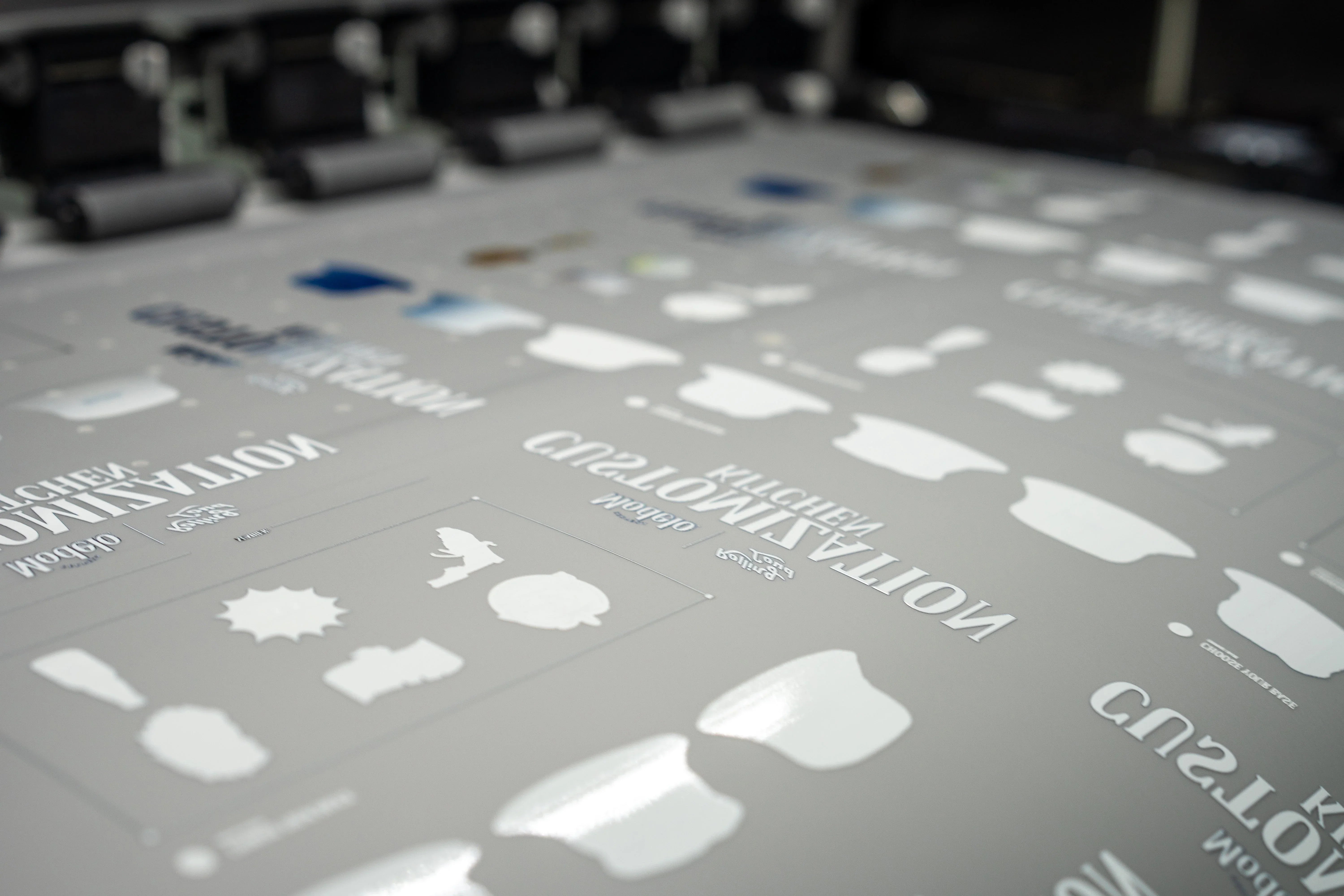
DTF transfers are known for their ability to produce high-resolution images on textiles, making them a preferred choice for customized apparel and fabric decoration. Unlike traditional methods, DTF transfers involve printing the design directly onto a special film that is then transferred onto the fabric using heat and pressure. This process results in a smooth, seamless finish that is both durable and visually stunning.
The Importance of Size in DTF Transfers
Size plays a critical role in the success of high quality dtf transfers. Selecting the appropriate size ensures that the design is neither too large nor too small for the intended application, maintaining the integrity and clarity of the image. Here are some key factors to consider when determining the size of your DTF transfers:
- Design Complexity: Intricate designs may require a larger size to capture fine details and maintain clarity.
- Fabric Size: The dimensions of the garment or fabric should be considered to ensure the transfer fits appropriately.
- Intended Use: Consider the purpose of the garment. For instance, a large logo may be suitable for promotional t-shirts, while smaller designs might be preferred for subtle branding.
Choosing the Right Size for Specific Applications
The choice of size can vary depending on the specific application and the desired outcome. Below are some common scenarios and recommendations:
T-Shirts and Apparel
For t-shirts and apparel, the size of the DTF transfer should complement the overall design and purpose of the garment. Generally, a larger transfer is ideal for bold, eye-catching designs, while smaller transfers work well for more understated or detailed artwork. It’s important to dtf transfer by size to match the garment dimensions, ensuring that the design is proportionate and visually appealing.
Home Textiles
When applying DTF transfers to home textiles such as pillowcases, curtains, or tablecloths, the size should be chosen based on the scale of the item and the intended impact. Larger designs can serve as focal points, while smaller transfers can add subtle elegance and detail.
Technical Considerations for DTF Transfer Sizing
In addition to aesthetic considerations, technical aspects also play a role in determining the ideal size for DTF transfers:
- Printer Capabilities: Ensure that the printer used for creating DTF transfers can accommodate the chosen size without compromising quality.
- Film and Ink Quality: High-quality film and ink can affect the final appearance and durability of the transfer. Ensure compatibility with the chosen size for optimal results.
- Heat Press Settings: Proper heat and pressure settings are crucial for successful transfer application. Adjust these settings based on the size and material of the DTF transfer.
Conclusion
In conclusion, selecting the right size for DTF transfers is a crucial step in achieving high-quality results. By considering design complexity, fabric size, and intended use, you can ensure that your DTF transfers are both visually appealing and functional. Additionally, paying attention to technical considerations such as printer capabilities and heat press settings will further enhance the quality of the final product. By taking a strategic approach to sizing, DTF transfers can elevate your designs, providing a professional and polished finish that stands out in any application.