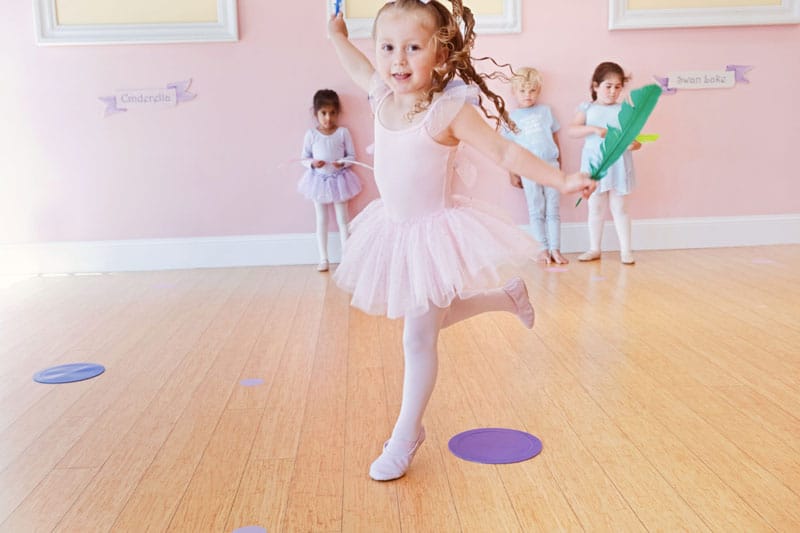
Dance is a universal language, and when introduced to infants, it can play a pivotal role in enhancing their overall development. Infant dance classes offer a unique blend of physical, cognitive, and emotional growth opportunities that can set the foundation for a child’s future learning and well-being. These classes provide a safe and fun environment for children to explore movement, rhythm, and social interaction. The benefits of enrolling your child in infant dance classes are numerous, making it a worthwhile consideration for any parent looking to support their child’s early development.
The Benefits of Infant Dance Classes
Physical Development
Dance classes designed for infants encourage physical activity, which is crucial for developing motor skills and body awareness. Through dance, children can improve their:
- Balance and Coordination: Engaging in dance movements helps infants develop better control over their bodies.
- Flexibility and Strength: Regular movement builds muscle tone and enhances flexibility, contributing to overall physical health.
- Spatial Awareness: Participating in dance activities helps children understand space and their place within it.
For more detailed insights into how dance influences physical development, read more about this topic.
Cognitive Development
Dance is not only a physical activity but also stimulates cognitive growth. By learning and remembering dance routines, children enhance their:
- Memory and Concentration: Following dance steps and remembering sequences boost memory skills.
- Problem-Solving Skills: Dance often requires quick decision-making and adaptability to new movements.
- Creativity and Imagination: Creative dance activities inspire imagination and innovative thinking.
Explore further insights into the cognitive benefits of dance here.
Emotional and Social Growth
Dance classes provide a supportive environment for emotional expression and social interaction, helping children to develop:
- Confidence and Self-Esteem: Performing in a group setting builds confidence and encourages self-expression.
- Emotional Regulation: Dance allows children to express emotions, aiding in emotional maturity.
- Social Skills: Interaction with peers during dance fosters communication, cooperation, and empathy.
Find additional information about the emotional and social benefits of dance here.
Choosing the Right Dance Class
When selecting a dance class for your infant, consider the following factors:
- Qualified Instructors: Ensure the class is led by experienced instructors who are skilled in working with young children.
- Class Size: Smaller class sizes offer more personalized attention and a safer environment.
- Age-Appropriate Activities: The curriculum should be suitable for the child’s age and developmental stage.
- Safety and Environment: Check that the facility is child-friendly with a focus on safety.
Learn more in this detailed guide on choosing the perfect dance class for your child here.
Conclusion
Infant dance classes offer a multitude of benefits that support a child’s physical, cognitive, emotional, and social development. By participating in these classes, children not only learn dance but also acquire skills that will benefit them throughout their lives. Whether it’s through improved motor skills, enhanced cognitive functions, or better emotional regulation, dance provides a holistic approach to early childhood development. For parents interested in nurturing their child’s growth through dance, explore further insights here.