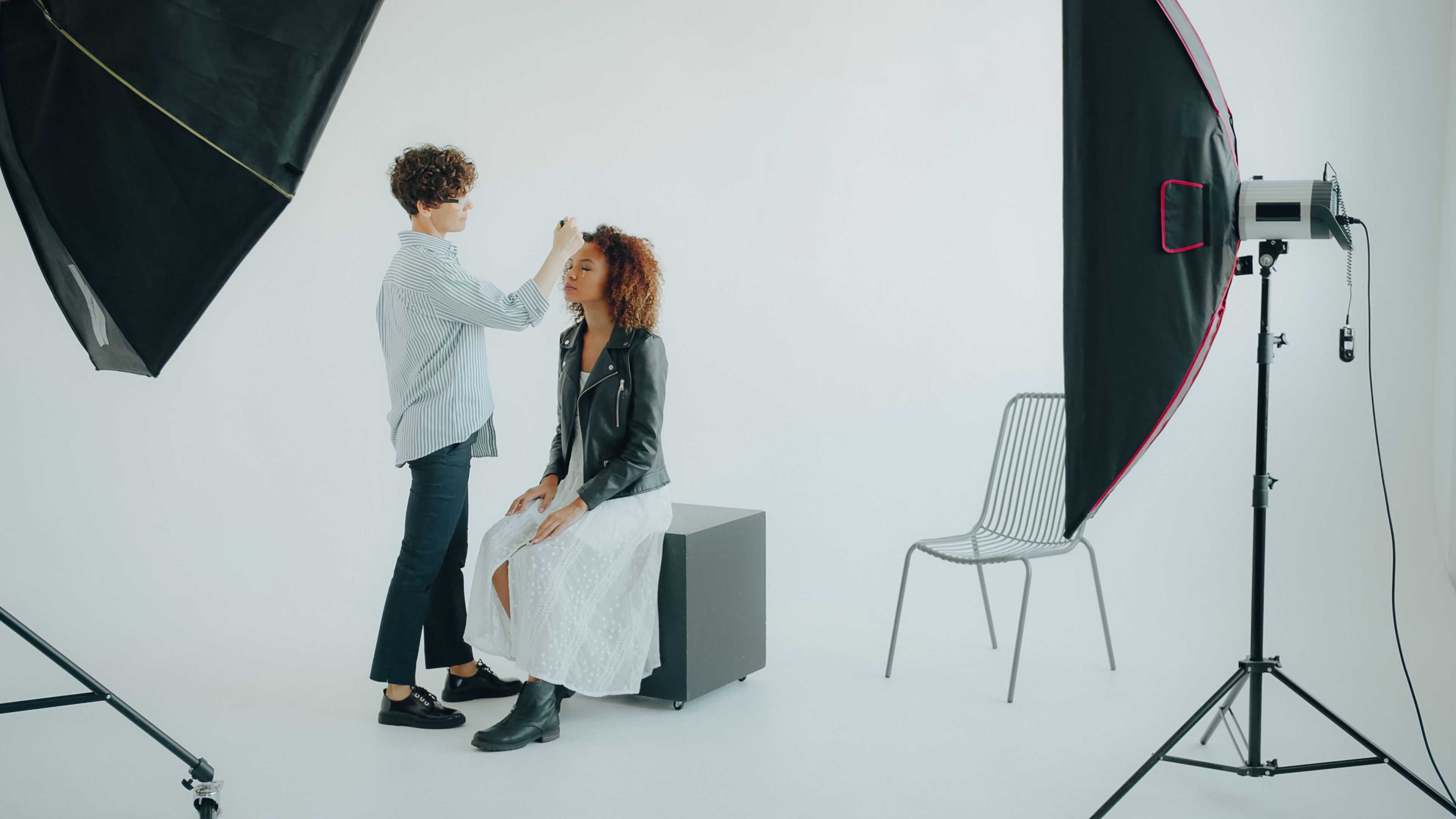
Artistic portrait photography offers a unique blend of creativity and technical skill, allowing photographers to capture the essence of their subjects in a visually captivating manner. This form of photography transcends mere representation, instead focusing on expressing emotion, personality, and imagination through the lens. Whether you’re a seasoned photographer or an enthusiastic beginner, understanding the nuances of artistic portrait photography can significantly enhance your work. By exploring various techniques and approaches, one can not only improve their skill set but also unleash a deeper sense of creativity and innovation.
The Essence of Artistic Portrait Photography
Artistic portrait photography is about more than just taking a picture; it’s about telling a story through images. This genre of photography allows for:
- Experimentation with lighting and shadows to create mood and depth.
- Use of creative compositions that challenge conventional norms.
- Incorporation of props and costumes to enhance storytelling.
- Post-processing techniques to further emphasize artistic elements.
For those interested in diving deeper into these techniques, discover expert strategies here.
Mastering Lighting Techniques
Natural Light
Utilizing natural light can yield stunning results in portrait photography. The soft, diffused light of early morning or late afternoon, commonly referred to as “golden hour,” is ideal for capturing warm, flattering tones.
Artificial Light
On the other hand, artificial lighting allows for greater control and precision. By experimenting with different light sources, such as softboxes or ring lights, photographers can achieve dramatic effects and highlight specific features. Learn about our tailored solutions for mastering lighting in portrait photography.
Creative Composition Techniques
Composition plays a vital role in artistic portrait photography. Different techniques can be employed to enhance the visual impact of a portrait:
- Rule of Thirds: Positioning the subject off-center to create a balanced and engaging composition.
- Leading Lines: Using lines in the background to draw attention to the subject.
- Framing: Incorporating elements that frame the subject to add depth and focus.
For photographers seeking to refine their compositional skills, find out more about this approach.
Post-Processing for Artistic Effects
Post-processing is an integral part of achieving artistic effects in portrait photography. By utilizing software tools, photographers can enhance colors, adjust contrast, and apply filters to create a unique aesthetic. Key aspects to consider include:
- Retouching to smooth skin tones and enhance facial features.
- Color grading to establish mood and atmosphere.
- Using selective adjustments to highlight specific areas of interest.
To explore advanced guides and tips on post-processing, explore advanced guides and tips.
Conclusion
Artistic portrait photography is a rich and dynamic field that offers endless opportunities for creative expression. By mastering lighting, composition, and post-processing techniques, photographers can elevate their portraits to new heights. For those committed to honing their craft and exploring new avenues of creativity, there are ample resources available to guide the journey. Whether you’re capturing the subtle nuances of emotion or crafting elaborate visual narratives, artistic portrait photography holds the key to unlocking a world of imaginative possibilities.